Nov 3, 2026 · Company News
Export Packing and Container Loading for Pipe Nipple Orders
How carbon and stainless steel pipe nipple orders are packed and loaded for export, covering inner packing choices, palletizing, shipping marks, loading sequence and the most common causes of transit damage.
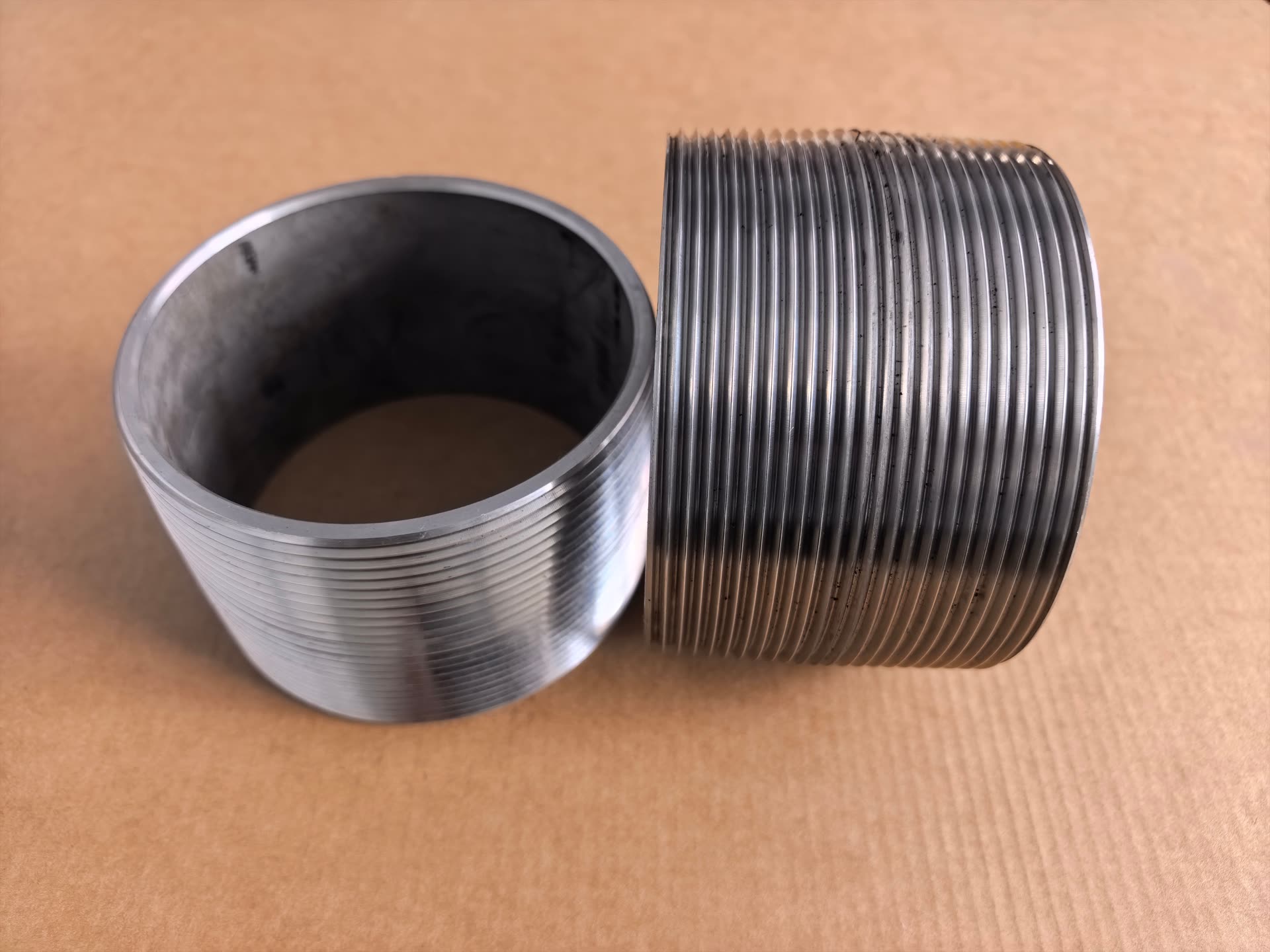
Every export order for carbon steel and stainless steel pipe nipples leaves our Qingdao workshop against a packing specification that is agreed before production starts. The specification is not a formality: a nipple is a short, threaded component, and its threads, ends and surface finish are the parts most easily damaged between our floor and the buyer's warehouse. The table below summarizes the parameters we normally confirm with a purchaser, expressed as typical ranges rather than fixed figures, because the right combination depends on size, material, finish and destination.
| Parameter | Typical specification |
|---|---|
| Inner packing | Export carton, woven bag or wooden case, chosen by size and finish |
| Units per inner pack | Confirmed per order according to nipple size and thread protection |
| Outer packing | Cartons on pallet, or heavy parts bundled and strapped |
| Pallet footprint | Sized to the container's internal width and the buyer's racking |
| Container | 20 ft or 40 ft, loaded according to weight and delivery sequence |
Agreeing these points early makes the packing repeatable. When the same carton count, pallet pattern and marking format are used across shipments, the buyer's receiving team can plan storage space, and any shortage or damage claim can be checked against a documented baseline.
Inner Packing
Small and medium nipples are normally packed in export cartons. Each nipple is fitted with a plastic thread protector or cap so that threads cannot rub against each other in transit. Carbon steel parts receive a light protective oil film before closing, while stainless steel parts are kept dry and separated from carbon steel throughout. Where an order is for a black or mill finish in larger volume, woven bags can serve as an inner pack, but they offer less protection against thread damage and are chosen only when the buyer accepts that trade-off.
Large diameter nipples and short runs of special fittings are usually packed in wooden cases, which hold their shape under stacking load and keep heavy parts from moving. Mixed sizes within one order are packed as separate inner bundles, each labeled with its size and quantity, so the receiving team does not have to open and re-sort every carton. Moisture control starts here: a desiccant sachet goes into cartons traveling long sea routes or through humid climates, and liners or bags are added where condensation is a known risk.
Outer Packing and Palletizing
Cartons are stacked on pallets in a pattern that keeps the load square and stable, with the heaviest cartons at the bottom. Stretch film is applied over the full height, corner boards protect the edges, and plastic or steel strapping holds the pallet together. The pallet footprint is chosen to suit the internal width of the container, so pallets can be placed without wasted space and without gaps that allow movement. Where the buyer's warehouse uses standard racking, we confirm the maximum pallet height in advance rather than filling to the container ceiling.
Wooden packing for markets that regulate solid wood is discussed at order stage, so the crating method matches the destination's requirements; buyers should raise this early, because changing the method after production is costly. Finished pallets are weighed and measured, and those figures are recorded on the packing list.

Marks and Labels
Shipping marks are applied to at least two sides of every carton and every pallet, in weather-resistant print that survives handling and a sea voyage. A typical mark carries the buyer's mark or initials, the purchase order number, the case or pallet number in sequence, gross and net weight, dimensions, destination port and country of origin. Handling pictograms such as keep dry, this side up and fragile where relevant are added so they read across languages.
Labels are also used internally. During packing, each inner bundle carries a size and quantity label, and the carton carries a matching label, so a mixed order can be checked twice before the container is loaded. For orders with several delivery addresses or several purchase orders on one shipment, a color code is agreed with the buyer and repeated on the packing list; this is the simplest way to prevent one customer's goods being unloaded at the wrong place.
Loading the Container
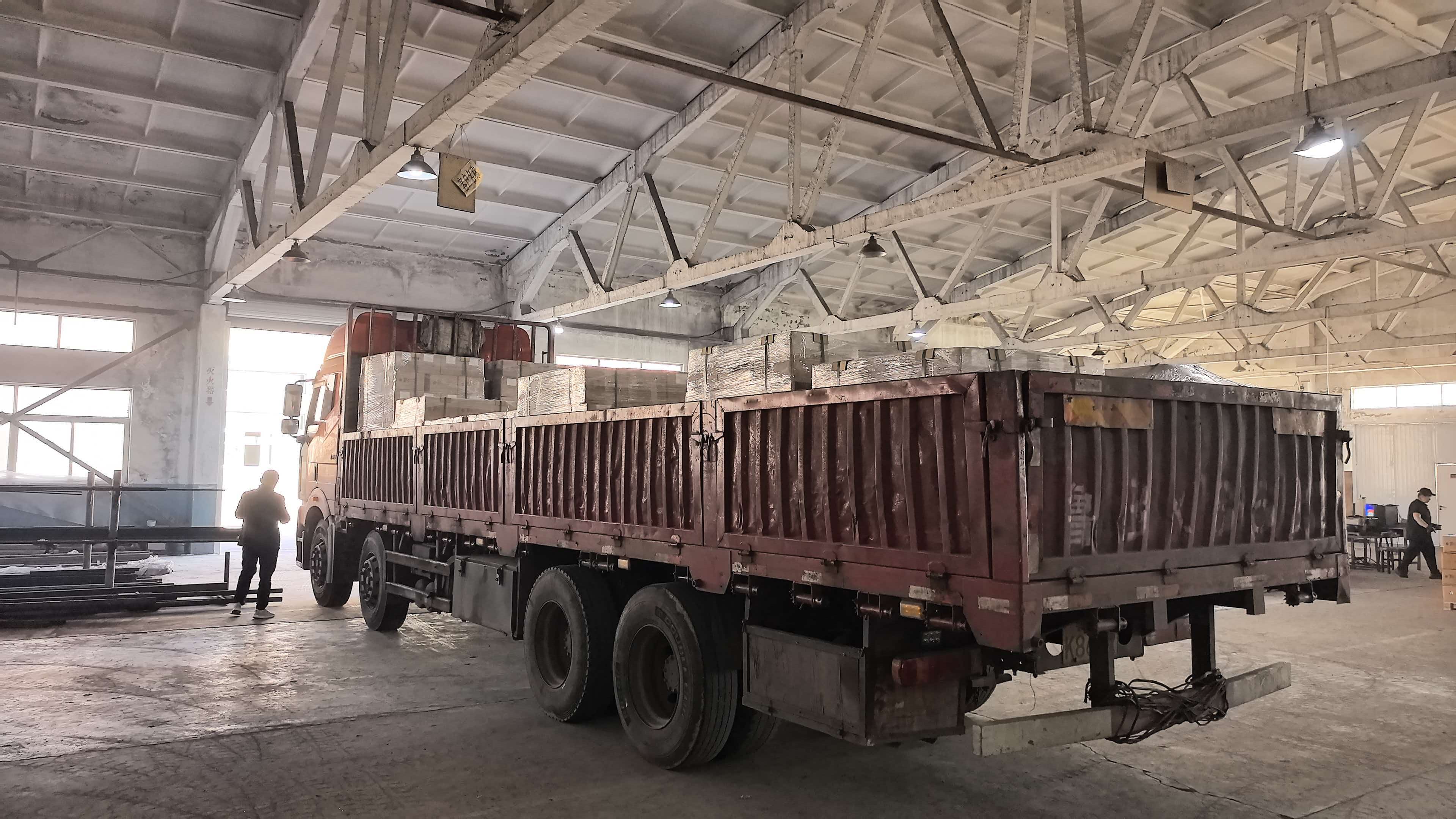
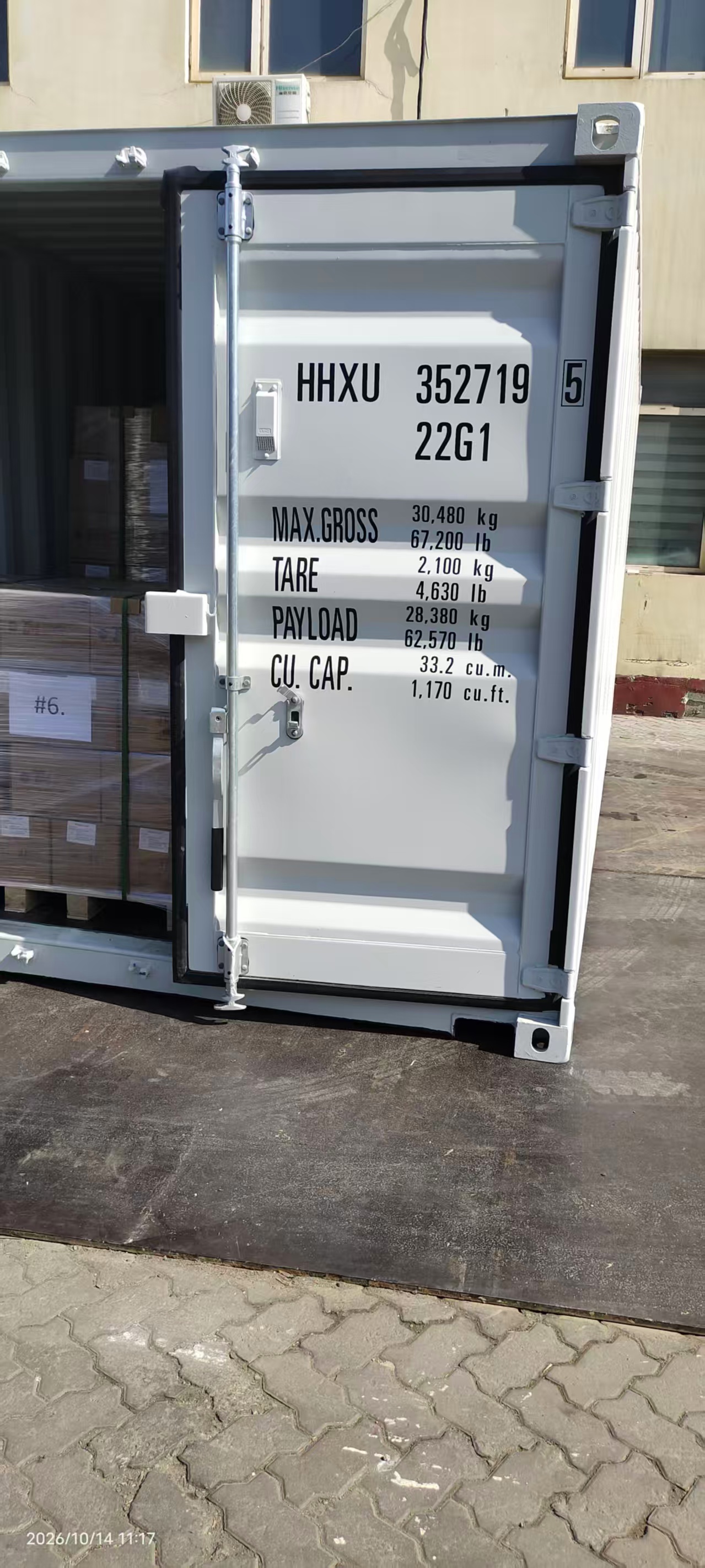
Loading follows a plan rather than whatever fits first. Pallets and cases are placed so that weight is distributed evenly over the container floor and kept low, with heavy items over the axles rather than at the far end. The sequence is normally the reverse of the discharge sequence, so goods for the last delivery point are loaded first. Gaps between pallets and the container walls are filled with dunnage or air bags, and the load is secured so it cannot shift when the vessel rolls. Photographs are taken at each stage of loading, including the closed doors with the seal number, and shared with the buyer.
Most cargo damage in this trade comes from a small number of causes: threads crushed because protectors were omitted, cartons collapsed because the pallet was loaded beyond its rating, condensation inside a sealed container moving through climate zones, and loads shifting because the space was not filled. Each is preventable at the packing stage, which is why the specification is agreed before production and checked again before the doors close.

For OEM and ODM orders we follow the buyer's own packing and marking instructions where they are supplied, and we raise any conflict with container space or weight limits before the order is packed. A clear, repeatable packing standard is part of what we ship, not an afterthought.